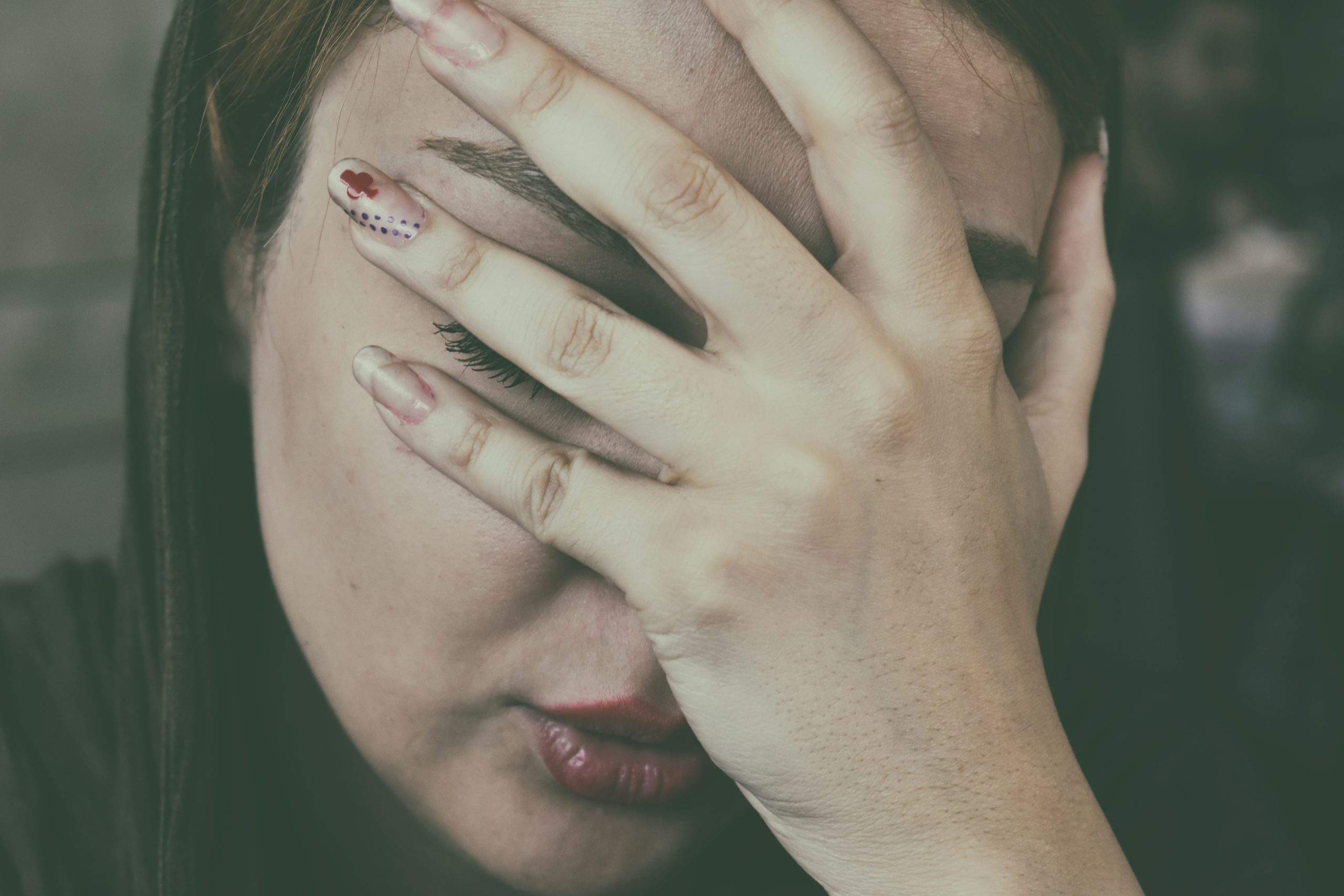


For people living with idiopathic hypersomnia (IH) in Switzerland, the path to diagnosis and effective treatment is rarely straightforward. No Swissmedic-approved medication exists for the condition, every treatment is prescribed off-label, reimbursement depends on a case-by-case application that your insurer can refuse, and the annual deductible you chose last November can determine what treatment actually costs you this year.
This article examines the current state of idiopathic hypersomnia diagnosis and treatment in Switzerland, including the specific features of the Swiss healthcare system, what the research tells us, and what patients and advocates can do right now to drive change. Understanding these barriers is the first step toward ensuring that everyone in Switzerland with idiopathic hypersomnia receives the care they deserve.
What Is Idiopathic Hypersomnia?
Idiopathic hypersomnia is a chronic neurological disorder characterised by excessive daytime sleepiness (EDS) despite adequate or even prolonged nighttime sleep. The word idiopathic means the cause is unknown, which adds another layer of complexity to an already challenging condition.
Unlike ordinary fatigue that improves with rest, idiopathic hypersomnia persists regardless of how much sleep a person gets. People living with IH experience an overwhelming urge to sleep during the day, often struggling to stay awake at work, at school, or in social settings.
What sets IH apart from ordinary tiredness is a profound difficulty waking up known as sleep inertia, sometimes called “sleep drunkenness.” Many describe it as feeling trapped in a thick fog, unable to fully emerge from sleep even after multiple alarms. This grogginess can last from minutes to hours and may include confusion, irritability, or disorientation on waking.
The Swiss Narcolepsy Society (SNaG) describes the distinguishing pattern well: prolonged sleep need across 24 hours combined with difficult awakening is typical of the idiopathic hypersomnias, and it is precisely that combination which separates IH from the sudden sleep attacks of narcolepsy, after which people often feel briefly refreshed.
IH typically begins in adolescence or early adulthood, though it can develop at any age. It affects every dimension of daily life, from maintaining employment to nurturing relationships to completing routine tasks that others take for granted.
How Is Idiopathic Hypersomnia Diagnosed in Switzerland?
Here Switzerland has a genuine and underappreciated advantage.
Diagnosis requires a two-step sleep study process:
Overnight polysomnography (PSG): A comprehensive in-lab sleep study monitoring brain activity, eye movements, heart rate, breathing, and oxygen levels through the night, which also excludes sleep apnoea and other causes.
Multiple sleep latency test (MSLT): Performed the following day, measuring how quickly you fall asleep across scheduled nap opportunities and helping distinguish IH from narcolepsy.
Under the ICSD-3-TR criteria, diagnosis requires daily excessive sleepiness for at least three months, absence of cataplexy, fewer than two sleep-onset REM periods, and either a mean sleep latency of eight minutes or less on the MSLT or total 24-hour sleep time of at least 660 minutes, with insufficient sleep syndrome excluded.
Switzerland Has Real Infrastructure for This
Unlike many comparable countries, Switzerland has a formal accreditation system for sleep medicine. The Swiss Society for Sleep Research, Sleep Medicine and Chronobiology (SGSSC) certifies sleep centres against defined quality criteria, reassessed every five years, and requires demonstrated interdisciplinary collaboration across neurology, pneumology, and psychiatry. As of 2022 there were 33 recognised sleep centres nationally, several of which hold teaching accreditation.
For a country of roughly nine million people, that is dense provision. It also means the MSLT, which is genuinely hard to access in some healthcare systems, is available at multiple centres rather than concentrated in one or two national referral units.
Switzerland also has something rarer still: a dedicated national network. The Swiss Network for Narcolepsy and Rare Sleep Disorders (SNaNe) exists specifically to link the leading Swiss centres working on narcolepsy and central disorders of hypersomnolence, with the explicit aim of speeding up diagnosis and reducing the difficulties that come with rare conditions. Few countries have built anything comparable for this disease group.
So the diagnostic pathway is not where Switzerland fails patients. The failure comes afterwards.
The Problem: Diagnosis Is Achievable, Treatment Is a Negotiation
No Approved Treatment, Everything Off-Label
There is no Swissmedic-approved medication for idiopathic hypersomnia. Every drug used to treat it is prescribed off-label, meaning outside the indication the regulator authorised.
Switzerland is not bound by European Medicines Agency decisions, and for a period it diverged. When the EMA restricted modafinil to narcolepsy alone in 2010 and removed idiopathic hypersomnia, sleep apnoea, and shift work disorder from its indications, Switzerland initially retained broader labelling. PharmaWiki records that Swissmedic subsequently followed the EMA recommendation, and Swiss patient information for Modasomil now describes the indication as excessive daytime sleepiness associated with narcolepsy, with or without cataplexy.
The consequence is worth stating plainly. The American Academy of Sleep Medicine’s 2021 guideline gives modafinil its only strong recommendation for idiopathic hypersomnia in adults. In Switzerland, that same drug for that same condition now sits outside its authorised indication, by regulatory decision rather than by absence of evidence.
Swiss specialists still prescribe it off-label for IH, which is lawful. But off-label status is what pushes you into the reimbursement machinery described below.
The Limitatio: Step Therapy Written Into the Reimbursement Rules
Switzerland has a mechanism that surprises patients arriving from other systems. Medicines on the Spezialitätenliste (SL), the list of drugs reimbursed by basic insurance, can carry a Limitatio, a formal restriction on the circumstances in which costs are covered.
SNaG notes that for narcolepsy, methylphenidate products (Ritalin, Medikinet, Ritalin LA) and modafinil (Modasomil) are authorised and reimbursed, but that the costs of Modasomil are only covered after an unsuccessful trial of Ritalin, by virtue of a Limitatio.
That is step therapy, written into the national reimbursement list rather than negotiated with a private insurer. And it applies to the licensed narcolepsy indication. If you have IH, you are outside the Limitatio before you start.
SNaG also records that Wakix (pitolisant) is Swissmedic-authorised but that price negotiations with the Federal Office of Public Health were not completed, meaning cost coverage still requires an individual Kostengutsprache, a prior cost approval from your insurer. Regulatory approval and actual access are two different things in Switzerland, and the gap between them can last years.
Article 71a-d KVV: The Route Every IH Patient Ends Up Taking
This is the single most important thing to understand about treatment access in Switzerland.
When a medicine is not on the Spezialitätenliste, or is used outside its authorised indication, basic insurance can still cover it on a case-by-case basis under Articles 71a to 71d of the Health Insurance Ordinance (KVV). Your doctor submits a Kostengutsprachegesuch, a request for cost approval, which the insurer assesses, usually with input from its medical adviser (Vertrauensarzt).
The criteria are cumulative and demanding. The illness must be potentially fatal or capable of causing severe and chronic health impairment. There must be no other effective and reasonable therapeutic alternative available. And a high therapeutic benefit must be expected from the medicine in question.
Idiopathic hypersomnia is chronic and can be profoundly disabling, so the second limb of the first criterion is arguable. But “arguable” is doing a lot of work in that sentence, and outcomes vary.
Interpharma describes Article 71a-d as a success story, a safety valve that has rescued many patients. That is true, and it is a genuinely better mechanism than exists in several neighbouring systems. But the Swiss Cancer League has reported that while insurers approve roughly 75 percent of oncology requests, a federal evaluation identified unequal treatment in reimbursement decisions in the remaining, mostly complex, cases. An ordinance revision intended to improve consistency has been under discussion.
A rare neurological sleep disorder with no approved therapy, no NICE-equivalent appraisal, and modest trial evidence is exactly the kind of complex case that sits in that less-favourable remainder.
What This Actually Costs You
Swiss cost-sharing is unusual and it matters enormously for a chronic condition.
Under the Federal Office of Public Health’s rules, adults choose an annual deductible (franchise) of CHF 300, 500, 1,000, 1,500, 2,000, or 2,500. Above that you pay a 10 percent co-payment (Selbstbehalt), capped at CHF 700 per year for adults. So maximum annual exposure runs from CHF 1,000 with the lowest franchise to CHF 3,200 with the highest.
For someone with IH taking daily medication indefinitely, the arithmetic points one way. A high franchise is a bet on being healthy, and a chronic neurological condition is not a good hand to play that bet with. The franchise can be changed for the following calendar year, with the deadline typically at the end of November, and reviewing that choice after a diagnosis is one of the few purely financial levers a Swiss patient controls.
Stimulants Are Controlled Substances
Methylphenidate and amphetamine derivatives fall under Swiss narcotics legislation, which brings prescription restrictions, quantity limits, and additional administrative requirements. As elsewhere in Europe, supply of stimulant medicines has been intermittently unreliable in recent years, and patients who depend on a specific formulation at a specific dose feel that acutely.
Four Languages, Uneven Information
Switzerland runs its health system in German, French, and Italian, and patient-facing information on a rare condition is not evenly distributed across all three. SNaG publishes in multiple languages, which helps, but a patient in Ticino or a French-speaking canton may find fewer local resources and fewer specialists with direct IH experience than a patient near Zurich, Bern, or Lausanne. Cantonal variation in referral practice compounds this.
How Is Idiopathic Hypersomnia Treated in Switzerland?
Treatment combines lifestyle modification with medication. Finding an effective regimen remains challenging, as responses vary and many patients need several attempts.
Conservative Management Options
Clinicians generally recommend lifestyle measures first. While well-intentioned, research and patient experience consistently show these are rarely sufficient alone for the profound sleepiness that characterises IH.
Common recommendations include:
- Maintaining consistent bedtimes and waking times
- Avoiding alcohol and sedating medications
- Scheduling short strategic naps (though many people with IH find naps long and unrefreshing)
- Regular exercise and bright light exposure
- Avoiding heavy meals
- Optimising the sleep environment
Despite diligent adherence, most patients continue to experience debilitating symptoms. The neurological nature of the condition means behavioural interventions can complement treatment but cannot address the underlying dysfunction.
Pharmacological Treatment Options
Overview of Idiopathic Hypersomnia Treatment Categories:
| Category | How It Works |
|---|---|
| Traditional stimulants | Originally developed for attention disorders; increase alertness and reduce sleepiness |
| Wake-promoting agents | Newer medications specifically designed to promote wakefulness without traditional stimulant effects |
| Histamine-based medications | Target the brain’s histamine system to regulate sleep-wake cycles |
| GABA-modulating medications | Work on the GABA neurotransmitter system to reduce excessive sleepiness |
| Oxybate-based sleep medications | Consolidate nighttime sleep and reduce daytime sleepiness |
| Non-stimulant alertness medications | Improve wakefulness through mechanisms different from traditional stimulants |
| Combination therapies | Use multiple medications together to target different aspects of excessive sleepiness |
| Adjunct treatments | Supplementary medications or substances that enhance the effects of primary treatments |
In Swiss practice, treatment usually begins with methylphenidate or modafinil, both used off-label for IH, with pitolisant and sodium oxybate considered in some cases. SNaG notes the clinically interesting observation that oxybate taken in the evening can ease morning awakening, which is particularly welcome in idiopathic hypersomnia given how central sleep inertia is to the condition.
Every one of these, for IH, will require an Article 71 request if you want basic insurance to pay.
Driving: Different Rules From Most of Europe
This surprises people, and it is worth getting right.
Switzerland does not impose a mandatory reporting duty on patients or treating doctors for conditions causing daytime sleepiness. Under the Road Traffic Act, doctors have a right to report (Melderecht) where fitness to drive is doubtful, but not an obligation (Meldepflicht). Guidance from the Institute of Forensic Medicine in Bern confirms that no corresponding reporting duty to the authorities exists in Switzerland and that assessment should not be driven by diagnostic label alone, since severity varies enormously between patients.
That is not permission to ignore the issue. Licence renewal declarations ask about conditions involving increased daytime sleepiness. Drivers are split into Group 1 (private) and Group 2 (professional), with stricter requirements for the latter. Where objective assessment is needed, it is carried out at an accredited sleep medicine centre, often using a maintenance of wakefulness test. Doctors must document the fitness-to-drive discussion in your records.
The practical takeaway is that in Switzerland this is a clinical conversation with your sleep specialist rather than an administrative form you must file. Have it honestly and early. Treated IH frequently restores fitness to drive.
Moving Forward: What Comes Next in This Series
In the upcoming series of educational articles, we will examine each treatment option in comprehensive detail, analysing mechanisms of action, efficacy data, side effect profiles, and most importantly, availability and reimbursement within the Swiss system. This detailed exploration will give patients and clinicians practical information for navigating the Spezialitätenliste, Limitatio restrictions, and Article 71 applications.
What Can We Do Right Now?
Get to an SGSSC-certified sleep centre. Ask your GP for referral to a centre certified by the Swiss Society for Sleep Research, and say explicitly that you need a polysomnography followed by an MSLT. This is the step where Switzerland actually works well, so use it.
Have your specialist submit a properly built Article 71 request. The quality of the Kostengutsprachegesuch determines the outcome more than anything else. It should document the diagnosis with objective sleep study results, list every alternative tried with doses and outcomes, explain why no reimbursed alternative is effective or reasonable for you, cite the international guideline evidence, and describe the functional impact on work and daily life in concrete terms.
Do not treat a refusal as final. You can request written reasons, ask your clinician to resubmit with additional evidence, and challenge the decision. Insurers’ decisions on cost approval are contestable through the ordinary legal channels, and the case law on Article 71 has developed substantially since the provisions were introduced in 2011 following a Federal Supreme Court ruling on a rare disease treatment.
Review your franchise. If you have a chronic condition requiring regular medication, the lowest deductible is usually the rational choice. The change deadline for the following year is at the end of November.
Connect with Swiss patient organisations. SNaG, the Swiss Narcolepsy Society, founded in 1983, supports people with hypersomnolence disorders including IH and is a member of both the European Narcolepsy Alliance for Patients and ProRaris, the Swiss alliance for rare diseases. ProRaris in particular is worth knowing about, because rare disease policy is where the Article 71 reform conversation is actually happening.
Engage with the reform process. The revision of the off-label reimbursement ordinance is live policy, and patient organisations for rare conditions have been among its most effective critics. A rare sleep disorder benefits directly from any change that makes Article 71 decisions more consistent.
Take part in research. Swiss centres participate in international hypersomnolence trials, and SNaNe exists partly to promote research and awareness in this disease group. ClinicalTrials.gov and the Swiss National Clinical Trials Portal list studies that may be recruiting.
Despite the current challenges, there is genuine reason for hope. Switzerland already has the diagnostic infrastructure, an accreditation system, a national network for rare sleep disorders, and a reimbursement mechanism that, whatever its inconsistencies, does exist and does approve cases. The unfinished work is making that mechanism reliable for conditions that are not cancer. Together, we can work toward a future where everyone in Switzerland with idiopathic hypersomnia has access to the treatment they need to reclaim their lives.
Frequently Asked Questions About Idiopathic Hypersomnia in Switzerland
Is any medication approved for idiopathic hypersomnia in Switzerland? No. There is no Swissmedic-authorised treatment for IH. All medication is prescribed off-label. Modafinil was more broadly indicated in the past, but Swissmedic followed the 2010 European restriction limiting it to narcolepsy.
Will my insurance pay for treatment? Not automatically. Because treatment is off-label, coverage runs through the case-by-case procedure in Articles 71a to 71d KVV. Your doctor submits a cost approval request and the insurer assesses it against strict criteria. Approval is possible but not guaranteed, and practice varies between insurers.
How do I get tested? Ask your GP for referral to an SGSSC-certified sleep centre and request polysomnography followed by a multiple sleep latency test. Bring a sleep diary covering at least two weeks.
What will it cost me? Diagnosis and approved treatment fall under basic insurance, subject to your chosen franchise (CHF 300 to 2,500) and a 10 percent co-payment capped at CHF 700 per year. Maximum annual exposure is CHF 1,000 with the lowest franchise and CHF 3,200 with the highest.
Do I have to report my condition to the road traffic authorities? There is no mandatory reporting duty in Switzerland for either patients or treating doctors, unlike in several neighbouring countries. Doctors have a right but not an obligation to report. Licence renewal declarations do ask about conditions causing increased daytime sleepiness, and this should be discussed openly with your sleep specialist.
Is idiopathic hypersomnia the same as narcolepsy? No. Both are central disorders of hypersomnolence involving excessive daytime sleepiness, but they differ. Narcolepsy type 1 involves cataplexy and hypocretin deficiency, and both narcolepsy types feature sleep-onset REM periods. IH is characterised by long, unrefreshing sleep and severe sleep inertia without those REM features. The boundary between IH and narcolepsy type 2 remains contested among researchers.
Disclaimer
This post is for educational purposes only and does not constitute medical advice. Always consult your doctor or a specialist about your own situation.
Swiss Resources
- SNaG, Schweizerische Narkolepsie Gesellschaft — national patient organisation for narcolepsy and hypersomnolence disorders, founded 1983, with information in German, French, and Italian
- SNaNe, Swiss Network for Narcolepsy and Rare Sleep Disorders — network of leading Swiss centres for central disorders of hypersomnolence
- SGSSC, Swiss Society for Sleep Research, Sleep Medicine and Chronobiology — accredits sleep centres and publishes the list of certified centres
- ProRaris — Swiss alliance for rare diseases, active on reimbursement policy
- Federal Office of Public Health: reimbursement of medicines in individual cases — the official explanation of Articles 71a to 71d KVV
- Federal Office of Public Health: premiums and cost-sharing — franchise and Selbstbehalt rules
- compendium.ch — Swiss medicines compendium, including product information and any Limitatio
- kofam, Swiss National Clinical Trials Portal — find studies recruiting in Switzerland
References
- SNaG, Schweizerische Narkolepsie Gesellschaft. Klinik and Therapie.
- PharmaWiki. Modafinil.
- European Medicines Agency. EMA recommends restricting the use of modafinil. 2010.
- Federal Office of Public Health. Vergütung von Arzneimitteln im Einzelfall (Art. 71a-d KVV).
- Federal Office of Public Health. Krankenversicherung: Prämien und Kostenbeteiligung.
- Interpharma. Der Artikel 71a-d KVV ist eine Erfolgsgeschichte.
- Krebsliga Schweiz. Verordnungsrevision soll Zugang zu Off-Label-Medikamenten verbessern.
- Maski K, Trotti LM, Kotagal S, et al. Treatment of central disorders of hypersomnolence: an AASM clinical practice guideline. J Clin Sleep Med. 2021.
- SNaNe. Mission.
- Institut für Rechtsmedizin, Universität Bern. Fahreignung bei Tagesschläfrigkeit.
- GZO Spital Wetzikon. Zentrum für Schlafmedizin Zürcher Oberland rezertifiziert. 2022.