

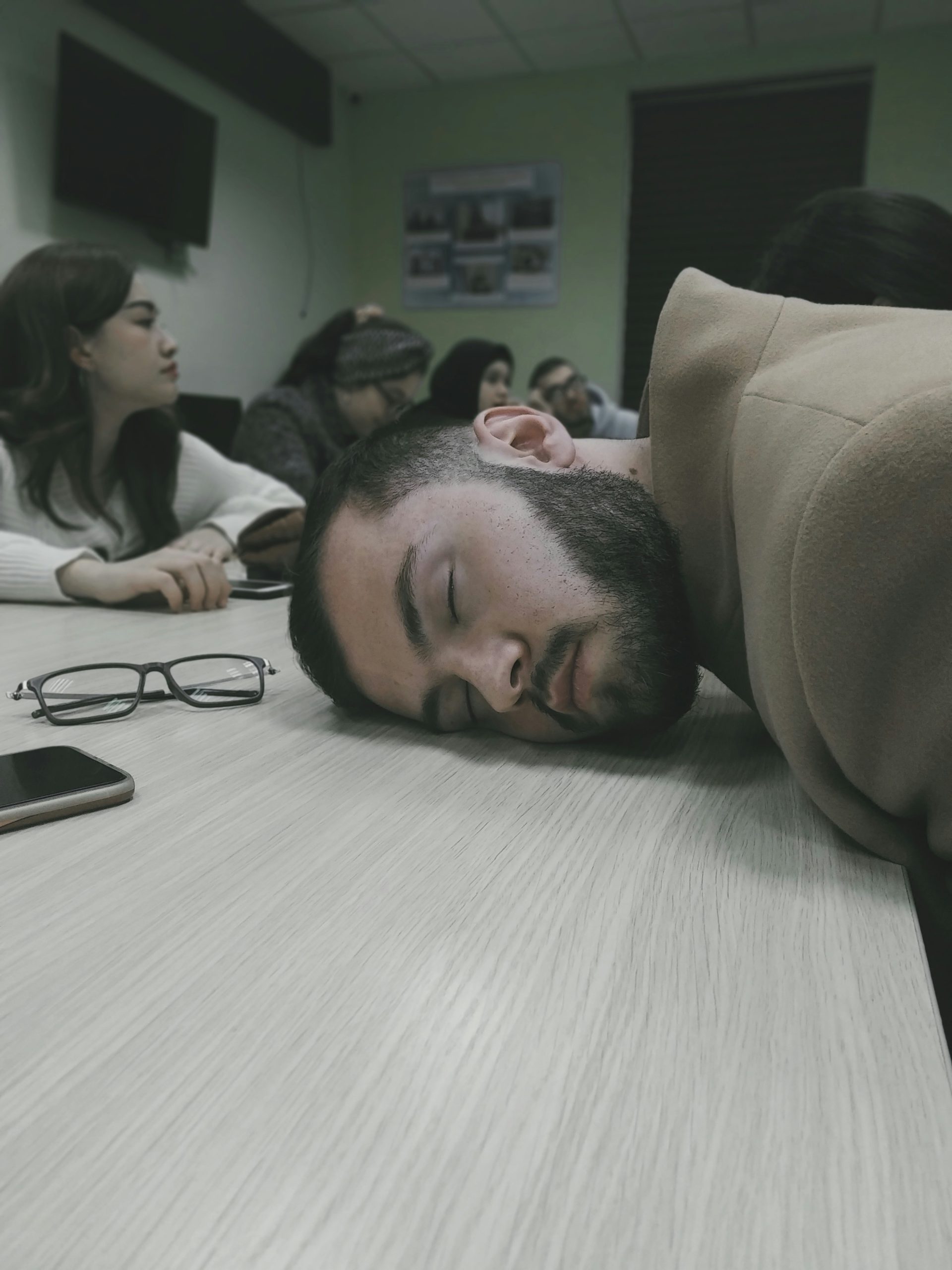
For Australians living with idiopathic hypersomnia (IH), the path to diagnosis and effective treatment is rarely straightforward. Diagnostic delays averaging years rather than months, a near-total absence of Therapeutic Goods Administration (TGA)-approved treatments, and inconsistent access to sleep medicine specialists mean that patients face compounding systemic barriers on top of their daily struggle with overwhelming sleepiness.
This article examines the current state of idiopathic hypersomnia diagnosis and treatment in Australia, including the unique challenges within our healthcare system, what the research tells us, and what patients and advocates can do right now to drive change. Understanding these barriers is the first step toward ensuring that every Australian with idiopathic hypersomnia receives the care they deserve.
What Is Idiopathic Hypersomnia?
Idiopathic hypersomnia is a chronic neurological disorder characterized by excessive daytime sleepiness (EDS) despite adequate or even prolonged nighttime sleep. The word idiopathic means the cause is unknown, which adds another layer of complexity to an already challenging condition.
Unlike ordinary fatigue that improves with rest, idiopathic hypersomnia persists regardless of how much sleep a person gets. People living with IH experience an overwhelming urge to sleep during the day, often struggling to stay awake at work, university, or social events.
What sets IH apart from ordinary tiredness is a profound difficulty waking up known as sleep inertia, sometimes called “sleep drunkenness.” Many describe it as feeling trapped in a thick fog, unable to fully emerge from sleep even after multiple alarms. This grogginess can last anywhere from minutes to hours and may include confusion, irritability, or disorientation upon waking.
IH typically begins in adolescence or early adulthood, though it can develop at any age. It affects every dimension of daily life, from maintaining employment to nurturing relationships to completing routine tasks that others take for granted, like making it to a morning appointment or staying alert during a long drive between regional towns.
How Is Idiopathic Hypersomnia Diagnosed in Australia?
The path to a confirmed IH diagnosis in Australia is often long and exhausting. What should be a manageable medical evaluation frequently becomes a years-long journey through a healthcare system that struggles to recognize and properly assess this condition.
Diagnosis typically requires a two-step sleep study process:
Overnight polysomnography (PSG): A comprehensive in-lab sleep study that monitors brain activity, eye movements, heart rate, breathing, and oxygen levels throughout the night.
Multiple sleep latency test (MSLT): Performed the following day, this test measures how quickly a person falls asleep during scheduled nap opportunities and helps rule out other sleep disorders such as narcolepsy or obstructive sleep apnoea.
A diagnosis of idiopathic hypersomnia also requires that excessive sleepiness symptoms be present every day for at least three months, with no other identifiable cause.
Accessing these essential diagnostic tools in Australia, however, presents its own serious set of challenges.
The Problem with Australia’s Healthcare System for Rare Sleep Disorders
Australia’s healthcare system, built around Medicare and a mix of public and private providers, faces unique challenges when it comes to rare sleep disorders. The combination of vast geographic distances, uneven distribution of specialists, and systemic gaps creates significant barriers for people seeking help with conditions like IH.
Limited Medical Awareness Among Healthcare Providers
One of the most significant obstacles is the lack of awareness among healthcare providers. Many general practitioners, and even some specialists, have limited knowledge about idiopathic hypersomnia. Medical school curricula typically dedicate minimal time to sleep medicine, leaving most doctors unprepared to recognize IH symptoms when they present.
Patients frequently report being dismissed with advice to “get more exercise” or “improve your sleep hygiene,” despite already sleeping excessive hours. Others are misdiagnosed with depression, chronic fatigue syndrome, or anxiety, and some are simply told to try harder.
This knowledge gap means that even when patients clearly describe textbook IH symptoms, they may not receive appropriate referrals to sleep specialists. The physicians who are familiar with IH tend to be concentrated in capital cities, leaving patients in rural, regional, and remote areas with far fewer options, a challenge felt especially acutely given Australia’s vast distances and thin distribution of sleep clinics outside major metropolitan centres.
The Absence of Specific Diagnostic Codes
A particularly frustrating administrative hurdle is the absence of a distinct, consistently used diagnostic code for idiopathic hypersomnia across Australian clinical and billing systems. Without proper coding:
- Physicians may struggle to bill Medicare appropriately for IH-related consultations
- Sleep laboratories may not recognise test orders as being for a specific, trackable condition
- Private health insurers may deny or limit coverage for related treatments
Some clinical settings still rely on broader classification categories that do not distinguish IH as a distinct condition, forcing physicians to use imprecise labels like “other hypersomnias” or “excessive daytime sleepiness.” This bureaucratic invisibility not only complicates the diagnostic process but also makes it nearly impossible to track the true prevalence of idiopathic hypersomnia in Australia or build a case for better-funded resources and research.
Long Wait Times for Sleep Studies
Perhaps the most practical barrier to diagnosis is the extensive wait time for sleep studies. In the public system, patients in many states and territories wait many months, and often well over a year, for an overnight sleep study through a public hospital sleep clinic. For those requiring the full diagnostic protocol including the MSLT, waits can stretch even longer, as MSLT capacity is limited to a smaller number of specialised centres.
The COVID-19 pandemic significantly worsened these delays, creating backlogs that some public sleep clinics are still working to clear. Private sleep clinics and specialists can offer faster access, but out-of-pocket costs (even with a Medicare rebate) mean that many Australians cannot afford this route. This creates a two-tier system where diagnosis depends on financial means and private health insurance rather than medical need alone.
These wait times are especially harmful for young adults at crucial life stages. Students may fail courses, new graduates may lose job opportunities, and relationships may deteriorate while waiting for testing that could finally lead to treatment. A condition characterized by excessive sleep ends up stealing years of productive life while patients wait for confirmation of what they already know: something is seriously wrong.
How Is Idiopathic Hypersomnia Treated in Australia?
Treatment for idiopathic hypersomnia typically combines lifestyle modifications with medication. Finding effective treatment remains challenging, as individual responses vary significantly and many patients require multiple attempts to achieve adequate symptom control.
Conservative Management Options
Healthcare providers generally recommend lifestyle modifications as a first line of treatment. While these suggestions are well-intentioned and may offer marginal benefits, research and patient experience consistently show that lifestyle changes alone are rarely sufficient to manage the profound sleepiness that characterizes IH.
Common lifestyle recommendations include:
- Maintaining strict sleep schedules with consistent bedtimes and wake times
- Avoiding alcohol and sedating medications
- Scheduling strategic naps during the day (though many patients find naps unrefreshing)
- Regular exercise and exposure to bright light
- Dietary modifications to avoid heavy meals
- Creating an optimal sleep environment free from disruptions
Despite diligent adherence to these recommendations, most patients with IH continue to experience debilitating symptoms. The neurological nature of the condition means that behavioural interventions, while potentially helpful as a complement to other treatments, cannot address the underlying dysfunction causing excessive sleepiness.
Pharmacological Treatment Options in Australia
Pharmacological intervention remains the cornerstone of idiopathic hypersomnia management. In Australia, treatment options primarily consist of stimulants and wake-promoting agents. These medications work through various mechanisms to increase alertness and reduce daytime sleepiness, though finding the right medication and dosage often requires considerable trial and error. Many patients do not find these treatments fully effective on their own, and several stimulant medications are subject to additional prescribing restrictions and authority requirements at the state level.
More advanced treatment options being used or investigated internationally include histamine H3 receptor antagonists, oxybate-based medications, and GABAergic medications that target the underlying mechanisms of hypersomnolence.
Overview of Idiopathic Hypersomnia Treatment Categories:
| Category | How It Works |
|---|---|
| Traditional stimulants | Originally developed for attention disorders; increase alertness and reduce sleepiness |
| Wake-promoting agents | Newer medications specifically designed to promote wakefulness without traditional stimulant effects |
| Histamine-based medications | Target the brain’s histamine system to regulate sleep-wake cycles |
| GABA-modulating medications | Work on the GABA neurotransmitter system to reduce excessive sleepiness |
| Oxybate-based sleep medications | Consolidate nighttime sleep and reduce daytime sleepiness |
| Non-stimulant alertness medications | Improve wakefulness through mechanisms different from traditional stimulants |
| Combination therapies | Use multiple medications together to target different aspects of excessive sleepiness |
| Flumazenil | Off-label treatments can be ordered specially by a doctor like Stuart’s story |
The Problem: No TGA-Approved Treatments for IH
A fundamental challenge is that no medications are officially approved by the Therapeutic Goods Administration specifically for idiopathic hypersomnia. All pharmaceutical treatments are prescribed off-label, meaning physicians use medications approved for other conditions such as narcolepsy or attention deficit hyperactivity disorder.
This creates significant uncertainty for both doctors and patients. Access through the Pharmaceutical Benefits Scheme (PBS) becomes unpredictable, and physicians may hesitate to prescribe medications without an official indication. Patients are left navigating a patchwork system where access depends heavily on which state or territory they live in, which specialist they see, whether they hold private health insurance, and how persistent they are willing to be.
Limited Access to Newer Therapies
The PBS often resists listing expensive medications that lack robust, condition-specific clinical trial data for idiopathic hypersomnia, and off-label medications are typically not PBS-subsidised at all, meaning patients must pay full private prescription cost. While countries like the United States have embraced newer treatments despite limited condition-specific evidence, Australia’s health technology assessment processes typically require extensive documentation and frequently do not support subsidised access for costly medications used off-label.
This conservative approach, while fiscally understandable, leaves Australian patients with fewer affordable treatment options than their international counterparts.
Regulatory Barriers to New Treatments
Even when medications show promise for IH, the path to availability in Australia is lengthy and complex. Drugs must first receive TGA approval, then be considered by the Pharmaceutical Benefits Advisory Committee (PBAC) for PBS subsidy, and finally gain acceptance from individual prescribers. This multi-layered process can delay affordable access to potentially life-changing treatments by years, during which time patients continue to suffer with inadequate symptom control.
Moving Forward: What Comes Next in This Series
In the upcoming series of educational articles, we will examine each treatment option in comprehensive detail, analysing mechanisms of action, efficacy data, side effect profiles, and most importantly, availability and accessibility within Australia’s unique regulatory environment. This detailed exploration will give patients and healthcare providers practical information for navigating treatment options in Australia.
What Can We Do Right Now?
While systemic change takes time, there are concrete actions that patients, families, and healthcare providers can take today to improve the situation for people living with idiopathic hypersomnia in Australia.
Advocate directly with decision-makers. Contact your federal and state health representatives to highlight the treatment gaps facing IH patients. Share your experiences with the TGA and PBAC during public consultations when new medications are under review. Every voice adds weight to the call for better access.
Connect with patient organisations. Join support groups and organisations dedicated to sleep disorders and idiopathic hypersomnia. These communities provide emotional support and collective advocacy power. Organisations such as the Sleep Health Foundation and international groups like the Hypersomnia Foundation offer resources relevant to Australian patients and can help coordinate advocacy efforts.
Educate your community. Many people, including healthcare professionals, remain unaware of IH and its profound impact. Sharing accurate information with family members, employers, and local healthcare providers helps build understanding and support for improved treatment access.
Participate in research. Australian research into idiopathic hypersomnia remains limited. Patient participation in clinical trials and observational studies helps build the evidence base needed to support new treatment approvals and policy changes.
Despite the current challenges, there is genuine reason for hope. International research continues to advance our understanding of idiopathic hypersomnia, new treatments are in development, and patient advocacy groups are gaining real momentum. As awareness grows and more patients speak out, the pressure for change in Australian treatment policies will continue to build. Together, we can work toward a future where every Australian with idiopathic hypersomnia has access to the treatments they need to reclaim their lives.
Frequently Asked Questions About Idiopathic Hypersomnia in Australia
What is the average time to get diagnosed with idiopathic hypersomnia in Australia? Diagnostic delays for idiopathic hypersomnia are commonly reported to span several years. This is largely due to limited medical awareness, long wait times for sleep studies (especially in the public system), and the absence of a distinct diagnostic code in many clinical settings.
Are there any TGA-approved medications for idiopathic hypersomnia? No. As of now, no medications are officially approved by the Therapeutic Goods Administration specifically for idiopathic hypersomnia. All pharmacological treatments are prescribed off-label, meaning they are approved for other conditions and used for IH based on clinical judgement.
How do I get tested for idiopathic hypersomnia in Australia? Start by speaking with your GP about your symptoms. Ask for a referral to a sleep physician or accredited sleep clinic. Diagnosis typically requires an overnight polysomnography followed by a multiple sleep latency test (MSLT) the next day.
Does Medicare cover sleep studies for IH? Coverage varies depending on the setting. Overnight polysomnography performed in an accredited sleep laboratory generally attracts a Medicare rebate when referred by a physician, but access through the public system is limited by long wait times. Coverage for the MSLT and for medications used to treat IH varies significantly depending on whether treatment is accessed through the public system, private specialists, and whether the person holds private health insurance.
Is idiopathic hypersomnia the same as narcolepsy? No. While both are chronic sleep disorders involving excessive daytime sleepiness, they are distinct conditions. Narcolepsy involves specific neurological abnormalities including cataplexy and disrupted REM sleep patterns. Idiopathic hypersomnia is characterized primarily by prolonged, unrefreshing sleep and severe sleep inertia, without the REM-related features of narcolepsy.
DISCLAMER: This post is for educational purposes only and does not constitute medical advice.
References
- Therapeutic Goods Administration (TGA). Australian Register of Therapeutic Goods. Available at: www.tga.gov.au
- Pharmaceutical Benefits Scheme (PBS). Available at: www.pbs.gov.au
- Arnulf I, Leu-Semenescu S, Dodet P. Precision Medicine for Idiopathic Hypersomnia. Sleep Med Clin. 2019;14(3):333-350.
- Dauvilliers Y, Evangelista E, Barateau L, et al. Measurement of symptoms in idiopathic hypersomnia: The Idiopathic Hypersomnia Severity Scale. Neurology. 2019;92(15):e1754-e1762.
- Sleep Health Foundation. Clinical resources on sleep disorders. Available at: www.sleephealthfoundation.org.au
- Hypersomnia Foundation. Idiopathic Hypersomnia information resources. Available at: www.hypersomniafoundation.org
- Australian Institute of Health and Welfare (AIHW). Sleep disorders as a health issue in Australia. Available at: www.aihw.gov.au
- Trotti LM. Idiopathic Hypersomnia. Sleep Med Clin. 2022;17(3):379-389.
- Pharmaceutical Benefits Advisory Committee (PBAC). Guidelines for preparing submissions. Available at: pbac.pbs.gov.au